That Sunday Dread Isn't a You Problem — It's a Message. Here's How to Read It

Photo: David Francis Barry, Public domain, via Wikimedia Commons
There's a particular flavor of heaviness that shows up on Sunday afternoons in America. It arrives somewhere between the second cup of coffee and the first thought about Monday's calendar. Psychologists have a name for it, social media has a hashtag for it, and most of us have just learned to live with it.
But here's a reframe worth sitting with: that dread isn't a malfunction. It's a flare your mind sends up when something is out of alignment. And like any flare, it's a lot more useful when you read the message instead of just swallowing it.
Dread Is Data, Not Destiny
We tend to treat anxiety like weather — something that happens to us. But recurring Sunday dread is more like a check engine light. It doesn't tell you exactly what's broken, but it absolutely tells you something is.
The problem is that most coping advice stops at symptom management: take a bath, plan something fun on Sunday night, do a face mask. Those things are lovely. They're also the equivalent of putting a sticker over the dashboard light.
What actually helps is diagnosis. And the good news is that Sunday dread tends to have a small number of root causes.
The Three-Question Diagnostic
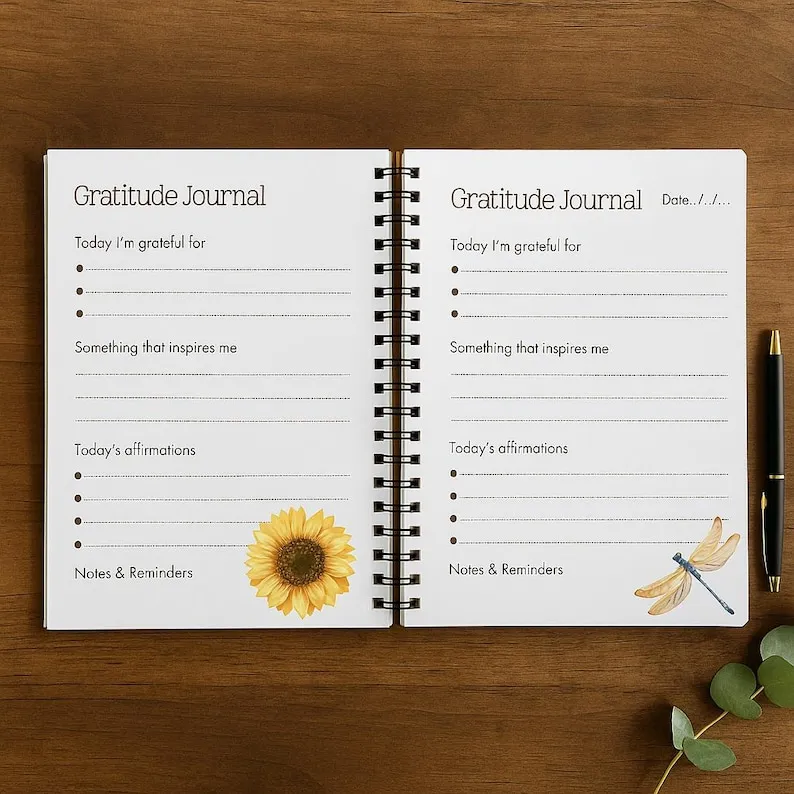
Grab a notebook — or the notes app — sometime this Sunday and answer these honestly:
1. Is it about the volume, or the meaning? Picture your Monday. Does the dread come from a stack of tasks you can't finish (volume), or from the tasks themselves feeling pointless or against your values (meaning)?
2. Is it about this week, or every week? If something specific is looming — a hard conversation, a deadline — that's situational. If the dread is a standing appointment, the cause is structural.
3. Is it about work at all? Sometimes the job is fine and the dread is actually about what the workweek costs you: a commute you hate, a schedule that leaves no room for your life, a version of yourself you have to put on.
Your answers point toward one of three culprits.
If It's Workload: The Problem Is Too Much
When the dread is volume-based, no amount of gratitude journaling fixes a genuinely unsustainable load. What helps is friction reduction — making the week slightly less brutal before it starts.
The small experiment: Try the "Sunday Twenty." Twenty minutes to write tomorrow's top three priorities, lay out the logistics (clothes, lunch, the gym bag), and move one task you're dreading onto Tuesday. Not eliminate it — just delay it past the hardest day. The goal isn't productivity. It's proving to your nervous system that Monday doesn't ambush you.
If It's Misaligned Values: The Problem Is the Wrong Fit
If you answered "meaning" to question one, your dread is quieter but deeper. It shows up when your week is full of things that conflict with what you actually care about — maybe you value creativity but spend forty hours on compliance reports, or you value family but never see yours in daylight during winter months.
The small experiment: You don't need to quit your job to test this. Pick one hour this week and spend it doing something that is aligned — mentoring, building, volunteering, whatever your values point toward. Notice how the dread responds. If it lightens, you've learned something real: the fix isn't less work, it's more of the right work, and that's a problem worth planning around.
If It's Burnout: The Problem Is Depletion
Burnout-flavored dread feels different. It's less "ugh, Monday" and more a flat, physical heaviness — Sunday night insomnia, Sunday afternoon irritability, a sense that you're running on fumes before the week even starts.
The small experiment: Burnout responds to genuine recovery, not weekend catch-up sleep. This week, protect one evening completely — no email, no "quick check" of Slack. Then track one metric: how long it takes you to fall asleep Sunday night. If it drops over a few weeks of protected evenings, your dread was a depletion alarm, and the answer is boundaries, not better time management.
A Final Thought on Listening to Yourself
The I Am Happy Project exists on a simple premise: happiness isn't something that happens to you — it's something you build, one honest choice at a time. And building starts with telling yourself the truth.
So the next time that Sunday feeling rolls in, don't just breathe through it. Ask it what it knows. Dread that gets listened to tends to get quieter. Dread that gets ignored tends to get louder.
Either way, it's talking. Sunday is a great day to finally answer.